 English
 Deutsch
 русский

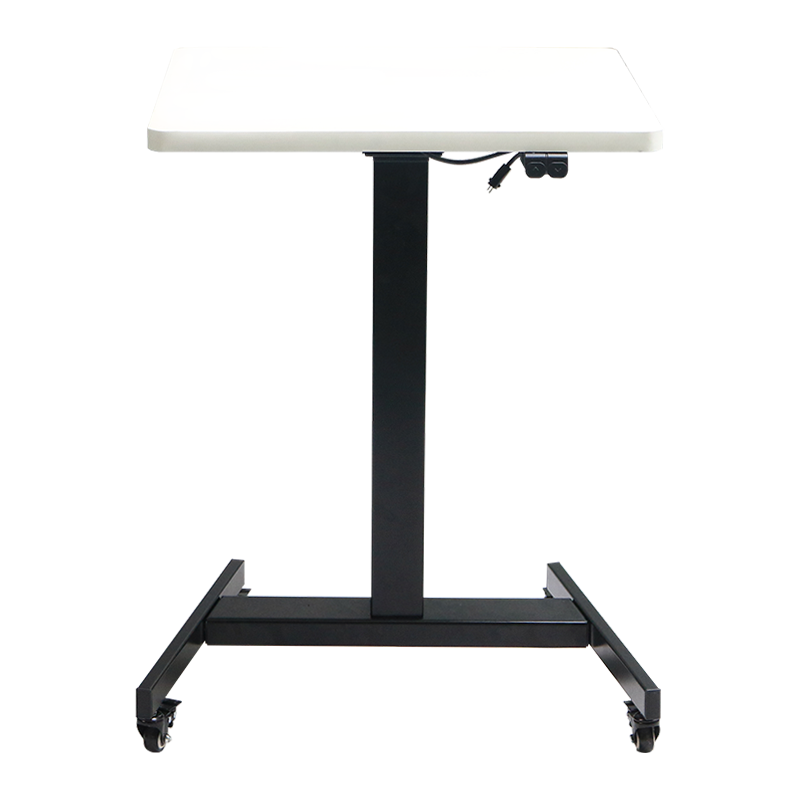
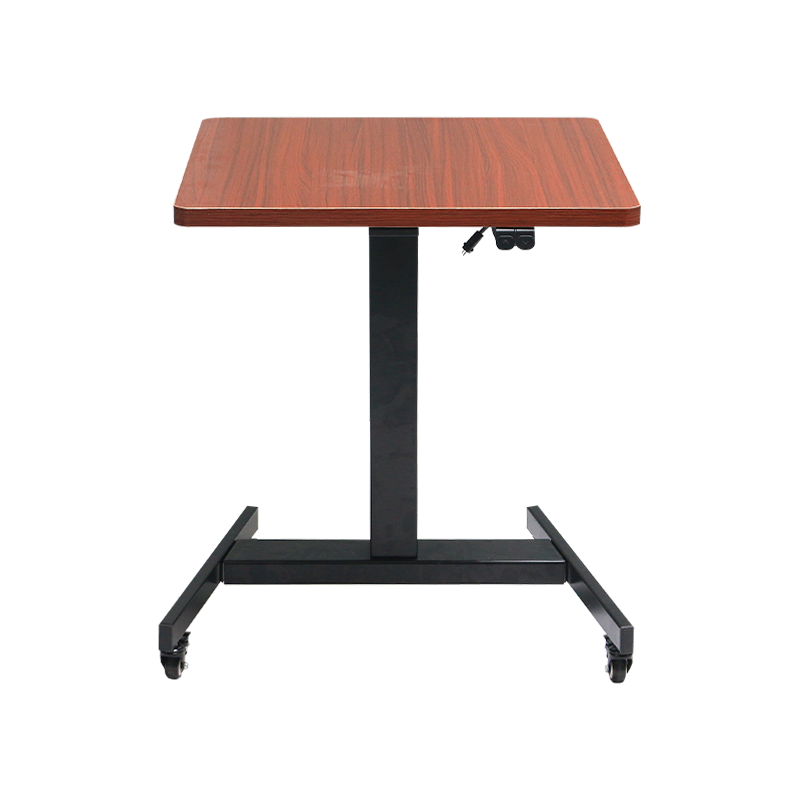
Yes — a well-engineered single leg electric standing desk is stable enough for daily office use, provided it is designed with a reinforced column, a quality linear actuator, and an appropriately sized base plate. Modern Single Leg Electric Standing Desk designs have closed the stability gap with dual-leg frames significantly, and many models now support load capacities of 80–120 kg while maintaining wobble within acceptable ergonomic limits at full height extension. The key is understanding what separates a stable single-column design from one that will frustrate you within weeks.
This article examines the engineering behind single leg stability, compares it with dual-leg alternatives, and gives you a practical framework for evaluating any Single Leg Electric Lift Table before you commit to one.
How a Single Leg Electric Standing Desk Achieves Stability
Single leg desks rely on a fundamentally different structural strategy than dual-leg frames. Rather than distributing load across two columns, they concentrate all support through one central column — which means that column and its base must be engineered to a higher standard to achieve comparable rigidity.
The three structural elements that determine stability in a Single Leg Electric Standing Desk are:
- Column wall thickness: Quality single-leg columns use steel tubing with wall thickness of 2.5–3.5 mm. Thinner walls (under 2 mm) flex noticeably at heights above 110 cm.
- Telescoping stage design: A three-stage telescoping column distributes extension load more evenly than a two-stage design, reducing lateral deflection by approximately 30% at maximum height.
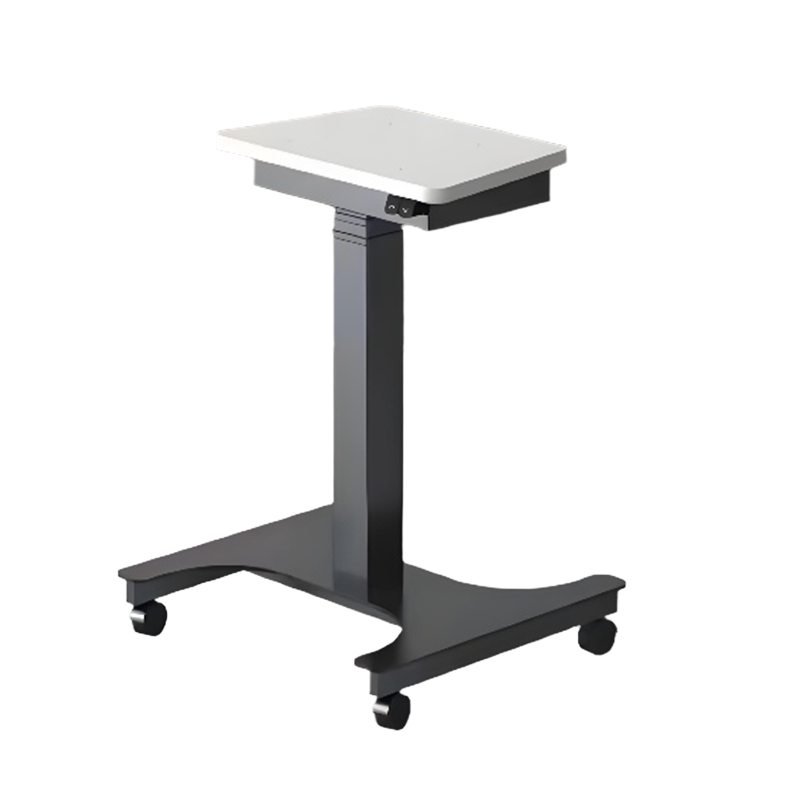
- Base plate dimensions: A wider base footprint (typically 700–900 mm across) lowers the center of gravity and resists tipping. Cross-shaped or T-shaped bases outperform small square bases in lateral stability tests.
- Anti-collision and feedback systems: Premium single-leg motors include load sensing that halts movement if unexpected resistance is detected, protecting both the desk and any objects in its path.
Single Leg vs. Dual Leg Electric Standing Desk: Honest Comparison
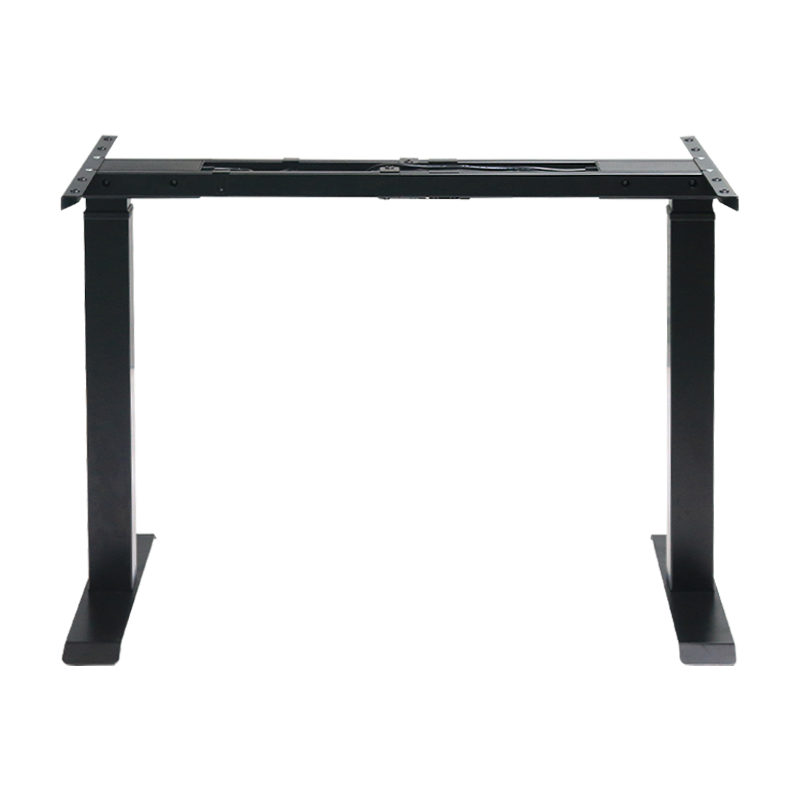
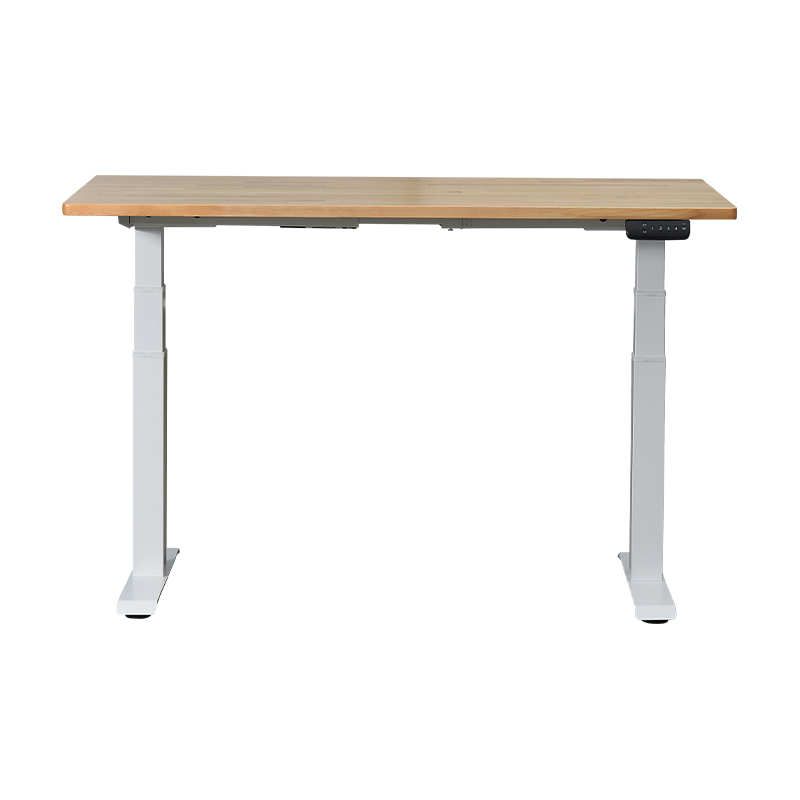
The stability difference between single and dual leg designs is real but often overstated. For typical home office or corporate workstation use — a monitor, laptop, keyboard, and small accessories — a quality Single Leg Electric Lift Table performs comparably to a dual-leg frame. The gap becomes more relevant at maximum height extension with heavy loads.
| Feature | Single Leg Electric Standing Desk | Dual Leg Electric Standing Desk |
|---|---|---|
| Typical load capacity | 70–120 kg | 100–160 kg |
| Lateral wobble at max height | 3–6 mm (quality models) | 1–3 mm |
| Floor space footprint | Compact, central base | Two-point spread, larger footprint |
| Cable management | Centralized, simpler routing | More complex, longer cable runs |
| Height range | 60–125 cm (typical) | 60–130 cm (typical) |
| Assembly complexity | Lower — fewer parts | Higher — dual motor sync required |
| Best use case | Home office, light commercial | Heavy workstations, multi-monitor setups |
Key Stability Metrics to Evaluate Before Buying
When assessing any Single Leg Electric Standing Desk, focus on these measurable specifications rather than general marketing claims:
Load Capacity vs. Your Actual Setup Weight
Calculate the total weight your desk will carry: desktop surface, monitors, monitor arms, laptop, peripherals, and any accessories. A typical dual-monitor home office setup weighs 15–25 kg. Choose a desk rated for at least 1.5x your actual load — operating near the maximum rating increases motor strain and reduces column rigidity over time.
Height Range and Your Ergonomic Requirements
The standard ergonomic standing height for most adults falls between 95–115 cm. Single leg desks with a height range of 60–125 cm cover the seated and standing positions of users from approximately 155 cm to 195 cm tall. Confirm your personal ergonomic height falls well within — not at — the maximum extension of the model you are considering.
Lifting Speed and Motor Quality
A quality Single Leg Electric Lift Table motor moves the desk at 25–40 mm per second. Motors slower than 20 mm/s under load indicate insufficient power for the rated capacity. Look for motors with a duty cycle rating — a 2-minute operation / 18-minute rest cycle (10% duty) is standard; 20% or higher duty cycles indicate a more robust motor design.
Noise Level
In office environments, motor noise is a meaningful comfort factor. Quality single-leg actuators operate at 45–50 dB — roughly the level of a quiet conversation. Motors producing above 60 dB under load are considered disruptive in shared workspaces.
Who Benefits Most from a Single Leg Electric Lift Table
The Single Leg Electric Lift Table format is not the right solution for every user — but it is the ideal solution for specific use cases. Understanding where it excels helps you determine if it matches your working style.
- Small-space home offices: The compact central base allows the desk to be positioned against a wall or in a corner without the leg clearance issues that arise with dual-leg cross-beam designs.
- Minimalist workstation users: Users running a single monitor, laptop, and keyboard — total load under 20 kg — will find a single leg desk more than sufficient for their stability needs.
- Shared-use environments: In offices where multiple employees use the same adjustable desk at different times, the single leg design's fast, quiet height adjustment is a practical advantage.
- Children's study desks: The single leg format is widely used in adjustable kids' study desks, where the height range (typically 55–110 cm) covers growth from primary school through secondary school, and the lighter loads involved make single-column stability entirely adequate.
- Workbench applications: In workshop or lab environments where the table surface needs to be clear of obstructions, a single central column provides unobstructed access from all sides.
Health and Ergonomic Benefits Backed by Data
The stability question is ultimately in service of a larger purpose: making it practical for people to alternate between sitting and standing throughout the workday. Research consistently supports this habit as beneficial for long-term health:
- A study published in the British Journal of Sports Medicine found that using a sit-stand desk reduced sitting time by approximately 1 hour and 15 minutes per day compared to standard desks, with sustained effects over 12 months.
- Research from the CDC found that employees who used height-adjustable desks reported a 54% reduction in upper back and neck pain after just four weeks of use.
- Ergonomists recommend alternating between sitting and standing every 30–60 minutes. A motorized single leg desk with programmable height memory makes this habit frictionless — a button press accomplishes a transition that takes under 15 seconds.
Features That Separate a Good Single Leg Desk from a Poor One
With a growing range of single leg electric desks on the market, it is useful to know which features indicate genuine quality versus those that are primarily aesthetic:
| Feature | What to Look For | Red Flag |
|---|---|---|
| Column steel thickness | 2.5 mm or greater | Unlisted or under 2 mm |
| Height memory presets | 3–4 programmable positions | Manual-only adjustment |
| Anti-collision system | Automatic reversal on obstruction | No mention in specifications |
| Motor warranty | 3–5 years | Under 1 year or unspecified |
| Base material | Cold-rolled steel, powder coated | Unspecified alloy or thin gauge |
| Certifications | BIFMA, CE, or equivalent | No third-party testing listed |
Practical Tips for Maximizing Stability in Daily Use
Even a well-built Single Leg Electric Standing Desk benefits from thoughtful setup. These practical steps ensure you get consistent, stable performance day after day:
- Level the base feet: Most quality single leg desks include adjustable leveling feet. An unlevel base amplifies wobble at height. Use a spirit level and adjust all feet until the base sits flat and firm on the floor.
- Center heavy items over the column: Position your heaviest equipment — typically the monitor — directly above or close to the column. Loads placed near the edge of the desktop create more torque on the column and increase wobble.
- Use the lowest practical standing height: Standing at the minimum ergonomic height (rather than maximum extension) reduces the effective lever arm on the column and improves stability. For most users, this means working at approximately 100–110 cm rather than at maximum extension.
- Do not exceed the rated load: Operating at or above the rated capacity consistently degrades the actuator and increases column flex. Keep total desktop weight to no more than 70% of the rated maximum for long-term performance.
- Tighten connection points periodically: Bolts and fasteners at the column-to-base and column-to-desktop junctions can loosen slightly over time with repeated height cycling. A monthly check and retighten takes under two minutes and noticeably maintains rigidity.
About Fengyi Intelligent Furniture Technology Co., Ltd.
Fengyi Intelligent Furniture Technology Co., Ltd. is located in Ningbo, the economic center of the Yangtze River Delta. Established in 2021, Fengyi has grown to a team of more than 30 employees operating across a 5,000 square meter facility.
Fengyi is a professional China Single Leg Electric Standing Desk Manufacturer and Single Leg Electric Lift Table Factory. The company specializes in the R&D, production, and sales of steel and wooden structural products. Its overseas market extends to the United States, Canada, Australia, the United Kingdom, South Korea, Japan, Taiwan, and other countries and regions. Main export products include ergonomic lift desks, workbenches, ergonomic chairs, ergonomic kids' study desks, and other adjustable furniture solutions.
Fengyi's commitment to engineering quality and responsive service has supported its rapid growth as a trusted global supplier of intelligent furniture products.