 English
 Deutsch
 русский

Is Having a Standing Desk Good for You: The Direct Answer
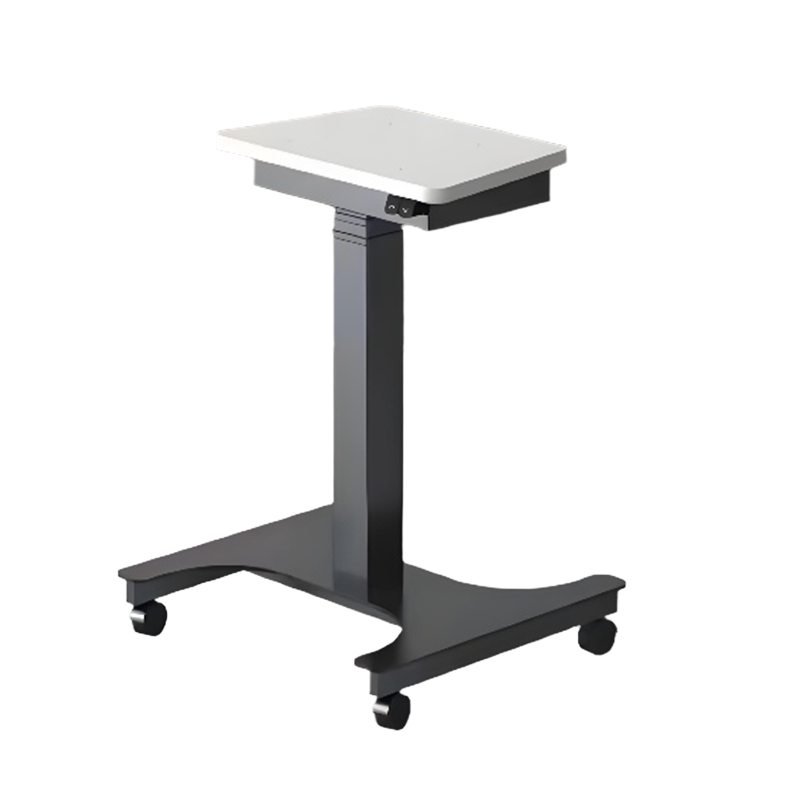
For most people who sit for long stretches at a computer, alternating between sitting and standing during the workday is generally a positive change. An Electric Adjustable Desk or Power Lift Desk makes that switch easy, since the surface height changes at the press of a button rather than requiring a separate desk or a manual crank. The benefit is not standing all day, which can bring its own fatigue, but breaking up long periods of sitting with short standing intervals throughout the day.
The rest of this guide covers how much standing time is reasonable to build up to, what separates a single motor desk from a dual motor Power Lift Desk, how to match desk height to your own body, and what to look for when comparing an Electric Adjustable Desk manufacturer or supplier.
Types of Standing Desks and How They Work
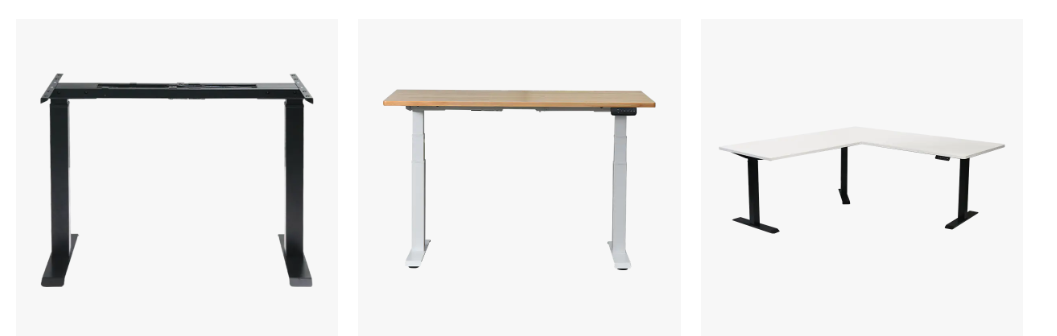
Standing desks generally fall into three groups: manual crank desks, single motor electric desks, and dual motor Power Lift Desks. Each uses a different method to change height, and each suits a slightly different budget and daily routine.
Manual Crank Standing Desks
A manual crank desk uses a hand-turned mechanism to raise or lower the surface. It has fewer electronic parts, which keeps the mechanism simple, though changing height takes noticeably longer than pressing a button.
Single Motor Electric Adjustable Desks
A single motor Electric Adjustable Desk uses one motor connected to both legs through a synchronized bar. Height changes happen at the touch of a button, and the single motor design keeps the frame relatively light while still lifting a normal desktop load.
Dual Motor Power Lift Desks
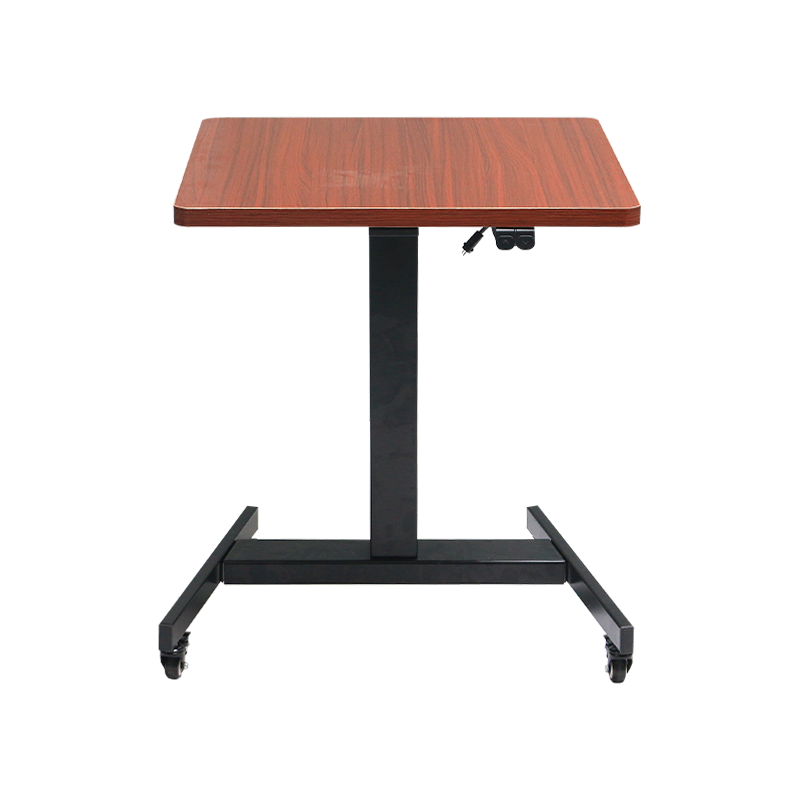
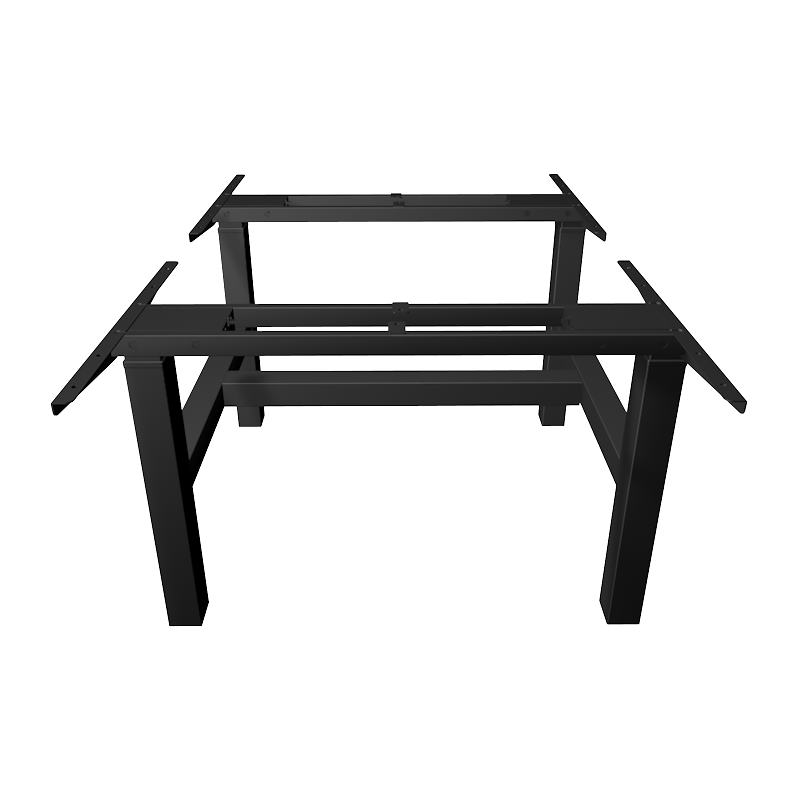
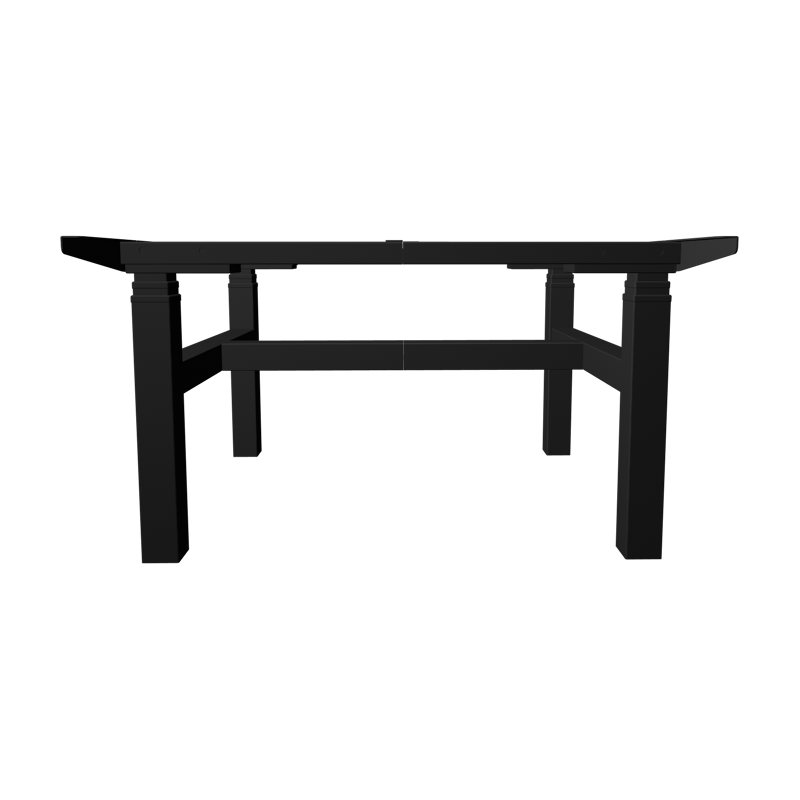
A dual motor Power Lift Desk places an independent motor in each leg, which generally lifts more weight, reaches full height faster, and holds a steadier position under a heavier load such as multiple monitors or a workstation setup.
| Desk Type | Adjustment Method | Typical Height Range | Common Setting |
|---|---|---|---|
| Manual Crank Desk | Hand crank | 70 to 115 cm | Home office |
| Single Motor Electric Adjustable Desk | Push button motor | 62 to 128 cm | Home and shared office |
| Dual Motor Power Lift Desk | Independent dual motor | 60 to 135 cm | Workstation or studio setup |
Commonly Reported Benefits of a Sit Stand Routine
People who introduce regular standing intervals into their workday often report a few consistent changes: less stiffness after long meetings, more natural movement throughout the day, and better awareness of posture compared with sitting in one position for hours. These are typically described as day to day comfort improvements rather than a single dramatic change, and they tend to build gradually as standing becomes a normal part of the routine rather than an occasional habit.
The chart below reflects how frequently each benefit is mentioned by regular sit stand desk users, scored on a relative scale of 0 to 10.
Frequency of reported benefits among regular sit stand desk users, scored out of 10
Building a Sit Stand Routine Without Overdoing It
Standing all day is not the goal, and switching straight from a fully seated routine to hours of standing usually causes new discomfort in the feet, knees, or lower back. A more workable approach is to build up standing time gradually over the first few weeks, starting with short intervals and extending them as the legs and lower back adjust.
A common starting pattern is around five minutes of standing per hour in the first week, increasing every week until standing for fifteen to twenty minutes per hour feels comfortable. Alternating positions throughout the day tends to work better than long uninterrupted blocks of either sitting or standing.
Typical standing minutes per hour during a gradual four week adjustment period
Height Range and Fit: Matching Desk to User Height
A desk that only reaches a limited standing height will not fit every user comfortably. As a general guide, the desk surface when standing should sit close to elbow height, which keeps the wrists roughly level with the keyboard and the shoulders relaxed rather than raised.
| User Height | Recommended Standing Height |
|---|---|
| 150 to 160 cm | 95 to 105 cm |
| 160 to 175 cm | 100 to 112 cm |
| 175 to 190 cm | 108 to 120 cm |
| 190 to 200 cm | 115 to 128 cm |
The column chart below shows how the maximum standing height reach tends to differ across desk categories, which matters most for taller users.

Typical maximum standing height reach by desk category
Single Motor Versus Dual Motor Power Lift Desks
Motor configuration is one of the clearest ways to compare an Electric Adjustable Desk against a Power Lift Desk built for heavier daily use. A single motor version generally suits a lighter desktop load and a slower but perfectly workable adjustment speed, while a dual motor Power Lift Desk tends to lift faster, hold a heavier load more steadily, and reach full height with less flex in the frame.
The radar chart compares a manual crank desk, a single motor Electric Adjustable Desk, and a dual motor Power Lift Desk across five practical dimensions, each scored out of 10.
Manual crank desk (light dotted), single motor desk (dashed), dual motor Power Lift Desk (solid), scored out of 10
Load Capacity and Stability at Full Height
Load capacity reflects how much desktop weight, including monitors, a laptop dock, and accessories, the frame and motor can support without sagging over time. A wider dual motor base combined with thicker steel legs generally holds a heavier setup more steadily, particularly when the desk is raised close to its maximum height.
| Desk Category | Typical Load Capacity |
|---|---|
| Compact Electric Adjustable Desk | Around 50 kg |
| Standard Power Lift Desk | Around 70 kg |
| Heavy Duty Lift Desk | Around 100 kg |
Posture, Chair Choice, and Reducing Lower Back Discomfort
A standing desk only solves part of the posture picture, since most of the workday is still spent seated. Correct sitting posture on chair starts with feet flat on the floor, knees close to a right angle, and the lower back supported rather than rounded forward toward the screen. Pairing a Power Lift Desk with a chair that has proper lumbar support helps carry good posture across both sitting and standing intervals.
For anyone dealing with ongoing discomfort, the best office chair for lower back and tailbone pain typically has an adjustable lumbar support, a seat pan that keeps pressure off the tailbone, and armrests set low enough that the shoulders can stay relaxed. Combined with a desk that adjusts to the correct standing height, this reduces the strain that builds up from long periods in either position.
Fitting an Electric Adjustable Desk Into a Small Room or Home Office
Choosing a desk for a room with limited floor space usually comes down to footprint and clearance rather than features alone. A compact computer desk room setup generally works best with a desk depth under 70 centimeters and enough clearance behind the chair to fully push back and stand without hitting a wall or shelf.
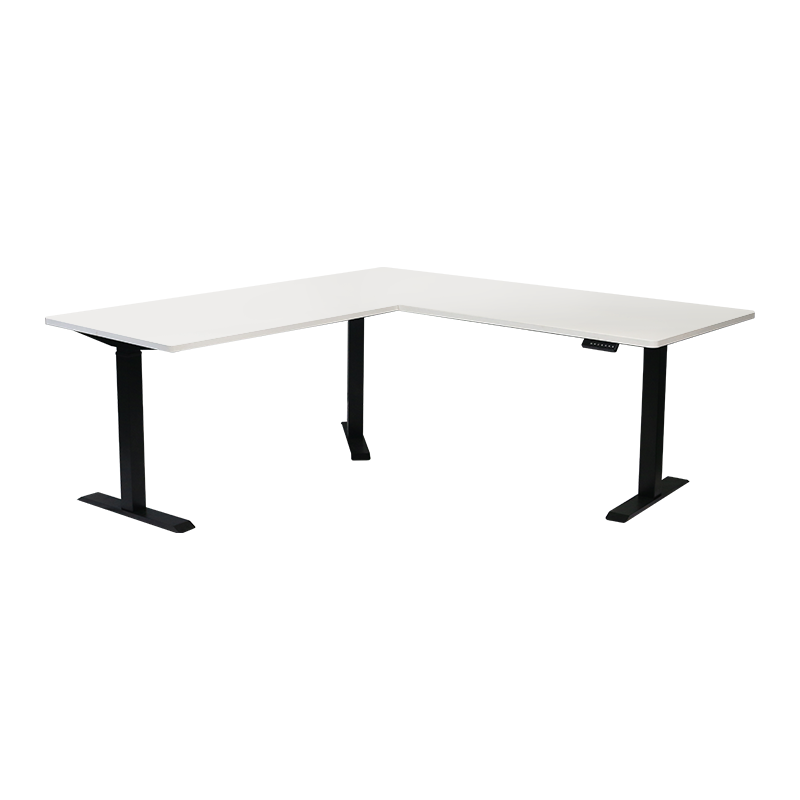
For a home office corner, an Electric Adjustable Desk with a smaller footprint and a straightforward rectangular top tends to fit more easily than a large L-shaped surface, while still giving full access to the sit stand height range described earlier in this guide.
Working With an Electric Adjustable Desk Manufacturer or Supplier
Buyers comparing an electric adjustable desk manufacturer or standing desk manufacturer usually look at more than the finished product photos. A height adjustable desk supplier that can walk through frame welding quality, motor sourcing, and sample lead time generally gives a clearer picture of what a bulk order will look like once it arrives.
Two paths come up often for businesses sourcing desks: working with an electric standing desk factory on an OEM standing desk basis, where a buyer's own branding is applied to an existing frame and top design, or requesting a fully custom specification built around a particular size or load requirement. Businesses looking to purchase electric standing desk wholesale volumes typically ask about consistent motor performance across units and how frame components are packed for shipping.
| Area | What to Review |
|---|---|
| Production capability | Workshop equipment, output volume, and typical lead time |
| Customization options | Availability of OEM branding or full design collaboration |
| Motor and frame sourcing | Whether motors and steel frames are produced or assembled in house |
| Communication | Response time and clarity during the sampling stage |
Matching a Power Lift Desk to Home, Office, and Study Settings
Power Lift Desk for Home Offices
A home office setup often benefits from a Power Lift Desk with a compact footprint, quiet motor operation, and a height memory preset that makes switching between sitting and standing effortless during a full workday.
Shared offices with multiple users per desk tend to favor an Electric Adjustable Desk with saved height presets, since different team members can return to their own preferred sitting or standing height without re-measuring each time.
Height Adjustable Desks for Study Rooms
Study rooms and computer desk room setups for students benefit from a lighter, more compact adjustable desk that still offers a reasonable height range, supporting growing users and long study sessions without encouraging a slouched sitting posture.
Maintenance Checklist for Electric Adjustable Desks
A small amount of routine care keeps the lift mechanism and frame working smoothly for years. The checklist below covers the areas that typically need periodic attention.
- Check that all leg bolts and the crossbar connections remain tight every few months.
- Keep the telescoping leg sections clean and free of dust that can slow smooth height adjustment.
- Avoid overloading the desktop beyond the rated load capacity for the specific desk category.
- Test the anti-collision or height memory controller periodically to confirm presets still respond correctly.
- Inspect cable management trays or grommets to keep cords from catching as the desk height changes.
Design Directions Shaping Electric Adjustable Desks This Year
Several practical changes are showing up across newer Electric Adjustable Desk and Power Lift Desk lines. Programmable height memory presets that store more than one saved position are becoming more common, letting a single desk serve more than one user comfortably. Anti-collision detection, which stops the desk if it meets unexpected resistance while adjusting, is also appearing more frequently. Cable management built directly into the frame, rather than added afterward, is increasingly standard on newer models.
| Design Direction | Current Adoption |
|---|---|
| Multiple height memory presets | Increasingly common |
| Anti-collision detection | Increasingly common |
| Integrated cable management | Common in newer models |
Inside an Electric Adjustable Desk Factory
Understanding the setup behind a standing desk helps explain why build quality and consistency vary between suppliers. Fengyi Intelligent Furniture Technology Co., Ltd. is based in Ningbo, at the economic center of the Yangtze River Delta, and was established in 2021. The company operates from a 5,000 square meter facility with more than 30 staff members supporting research, development, and production.
As a China Power Lift Desk supplier and Electric Adjustable Desk company, Fengyi focuses on steel and wooden structural products, covering ergonomic lift desks, workbenches, ergonomic chairs, and ergonomic kids study desks among other items. The company's overseas reach extends to the United States, Canada, Australia, the United Kingdom, South Korea, Japan, Taiwan, and other regions, which reflects the kind of production consistency that buyers typically look for when comparing a standing desk manufacturer or height adjustable desk supplier for a longer term partnership.
Frequently Asked Questions About Standing Desks
Q1. What Is the Best Electric Standing Desk
The best fit generally depends on load needs and available space, though a dual motor Power Lift Desk with height memory presets suits most users who want fast, steady adjustment and repeatable saved heights.
Q2. Are Standing Desks Worth Buying
For most people who sit for long stretches, alternating between sitting and standing tends to reduce stiffness and encourage more movement during the day, which many users find worth the change in routine.
Q3. How Long Do Electric Standing Desks Last
With routine care such as keeping bolts tight and avoiding overloading the surface, an Electric Adjustable Desk typically remains in good working condition for around 8 to 10 years.
Q4. How Much Weight Can a Standing Desk Support
A compact desk generally supports around 50 kilograms, a standard Power Lift Desk around 70 kilograms, and a heavy duty lift desk around 100 kilograms, depending on frame design.
Q5. What Is the Best Standing Desk Height
The right standing height keeps the desk surface close to elbow height, which for most adults falls somewhere between 100 and 120 centimeters depending on individual height.
Q6. Can Standing Desks Reduce Back Discomfort
Alternating between sitting and standing may help reduce stiffness that builds up from staying in one position too long, though a supportive chair with correct sitting posture still matters for the seated portion of the day.
Q7. Is a Dual Motor Standing Desk Better
A dual motor Power Lift Desk generally adjusts faster, holds a heavier load more steadily, and flexes less at full height compared with a single motor version, which makes it a common choice for heavier workstation setups.
Q8. Do Standing Desks Improve Posture and Circulation
Standing periodically encourages more natural movement and reduces the tendency to slump forward that often develops during long uninterrupted sitting, which many users associate with better posture awareness over time.