 English
 Deutsch
 русский

Direct Answer: What Is a Single Leg Electric Lift Table?
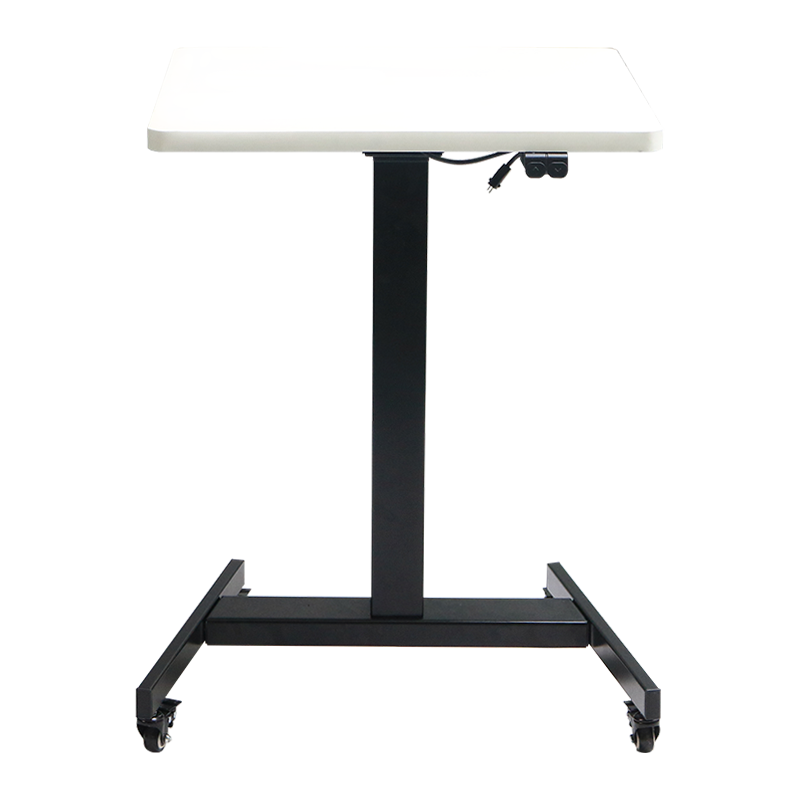
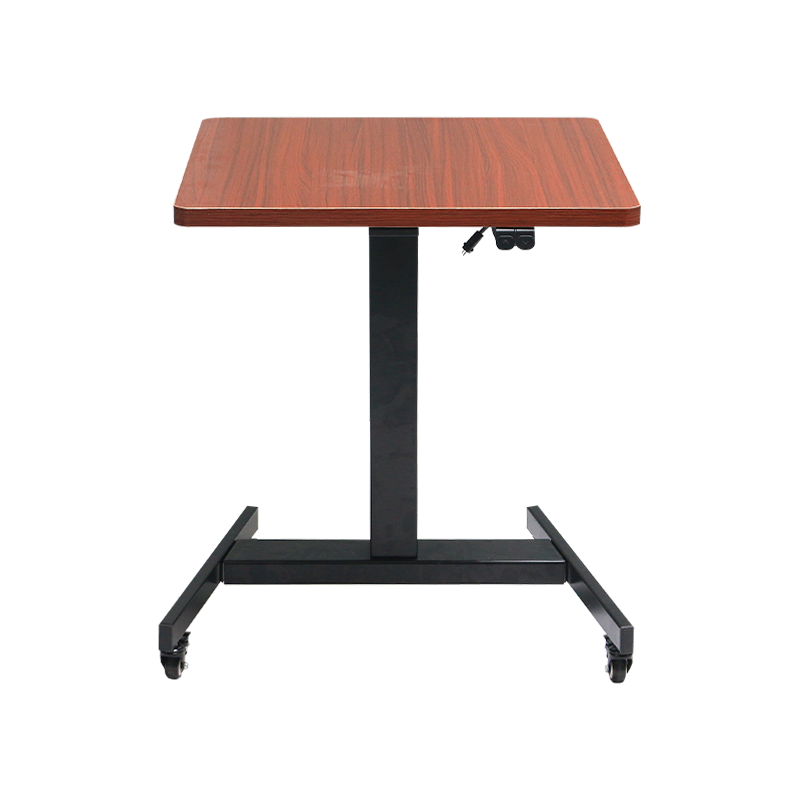
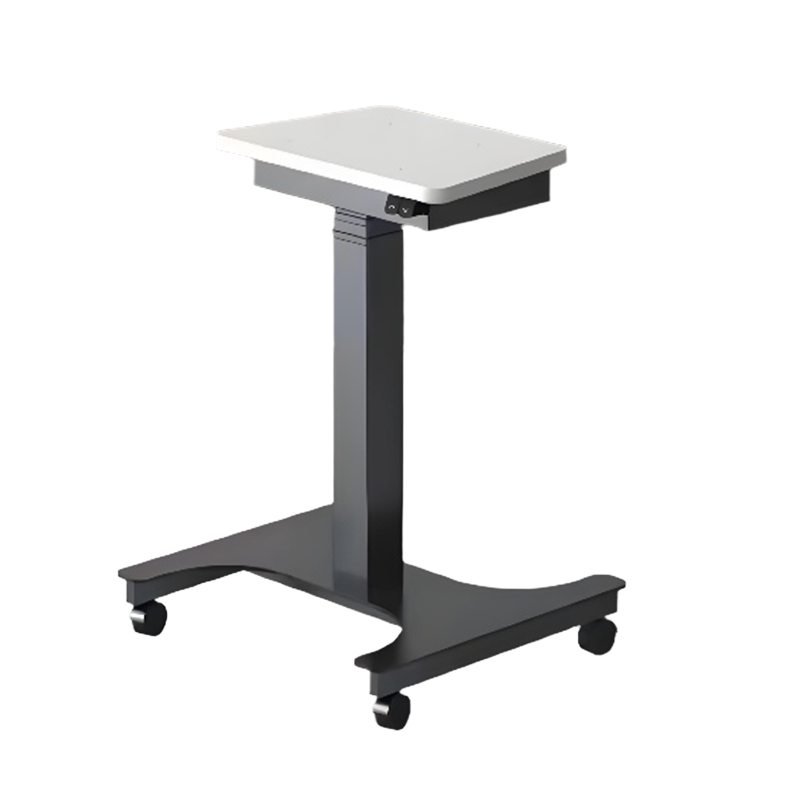
A Single leg electric lift table is a height-adjustable worktable powered by an electric motor and supported by a single central lifting column. It allows users to raise or lower the tabletop smoothly at the push of a button. Its popularity comes from its compact footprint, ergonomic benefits, energy efficiency, and cost-effectiveness. Compared to traditional dual-leg systems, it offers easier installation, cleaner design, and flexible integration into modern industrial and office environments.
How Does a Single Leg Electric Lift Table Work?
The core of a single leg electric lift table is an integrated electric actuator or linear motor housed inside the column. When activated, the motor drives a lead screw or belt mechanism that moves the tabletop vertically. Most models operate on 24V DC or 110–240V AC power and feature built-in limit switches to prevent overextension.
Key Technical Components
- Electric linear actuator for smooth lifting
- Steel or aluminum telescopic column
- Control panel or programmable handset
- Anti-collision and overload protection system
Typical lifting speeds range from 20–40 mm per second, allowing height changes in under 15 seconds for most applications.
Why Is the Single Leg Electric Lift Table So Popular?
The growing demand for ergonomic and flexible workstations has accelerated adoption. According to workplace ergonomics studies, adjustable-height desks can reduce musculoskeletal discomfort by up to 30% and improve productivity by nearly 12%.
Main Popularity Drivers
- Space-saving single-column design
- Lower material cost compared to dual-leg frames
- Fast installation and modular integration
- Modern aesthetic for offices and labs
For small workshops and compact offices, the single-leg structure provides excellent flexibility without sacrificing functionality.
Load Capacity and Performance Expectations
Many buyers assume that a single-column structure is weaker. In reality, industrial-grade models can support 80 kg to 200 kg static loads, depending on column thickness and motor torque.
| Parameter | Standard Range |
|---|---|
| Load Capacity | 80–200 kg |
| Height Adjustment Range | 650–1250 mm |
| Lifting Speed | 20–40 mm/s |
Common Applications Across Industries
The versatility of the single leg electric lift table makes it suitable for both light-duty and medium-duty tasks. It is commonly used where space efficiency and mobility are required.
- Electronics assembly and inspection stations
- Standing office desks and adjustable workbenches
- Medical equipment platforms
- Packaging and light manufacturing lines
For example, in electronics factories, adjustable tables reduce operator fatigue and improve precision during soldering or quality inspection tasks.
How to Choose the Right Single Leg Electric Lift Table
Selecting the right model requires matching technical specifications with your application needs.
Key Selection Factors
- Required load capacity and stability level
- Height adjustment range and speed
- Motor noise level (below 50 dB is ideal)
- Controller features such as memory presets
- Frame material and corrosion resistance
Choosing a model with overload protection and anti-collision sensors can significantly improve safety and service life.
FAQ: Single Leg Electric Lift Table
Is a single leg electric lift table stable enough?
Yes. High-quality models use reinforced steel columns and wide base plates to ensure excellent lateral stability for normal industrial and office use.
How long does the motor typically last?
Most motors are rated for 20,000–30,000 lifting cycles, which equals several years of daily operation under standard conditions.
Can it be customized?
Yes. Many manufacturers offer custom tabletop sizes, control systems, colors, and mounting accessories to fit specific production environments.