 English
 Deutsch
 русский

Quick Answer
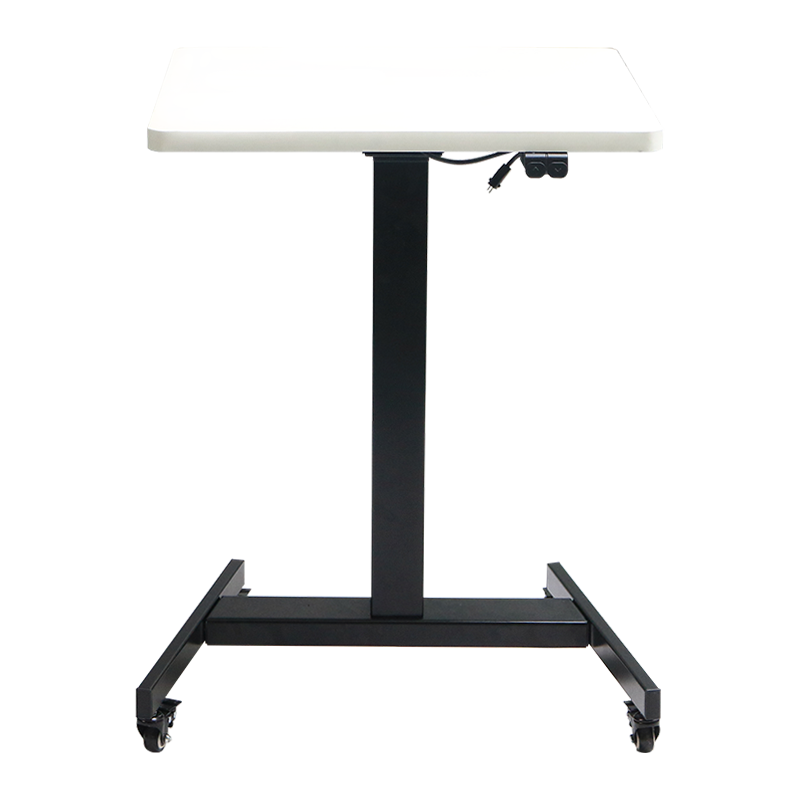
An electric lift table improves workspace comfort by allowing you to seamlessly alternate between sitting and standing throughout the day — reducing back pain, boosting circulation, and increasing focus. The key is choosing the right model for your space: a single column lift table or compact electric standing desk works exceptionally well for home offices, small apartments, corners, and bay-window setups where traditional multi-leg desks simply won't fit.
The Sitting Problem Most Office Workers Ignore
The average office worker spends more than 10 hours per day in a seated position. Research published in the American Journal of Epidemiology found that prolonged sitting — even in people who exercise regularly — is independently associated with increased risk of musculoskeletal pain, cardiovascular strain, and reduced cognitive performance. The problem is not just how long you sit, but the static, locked posture that a fixed-height desk enforces.
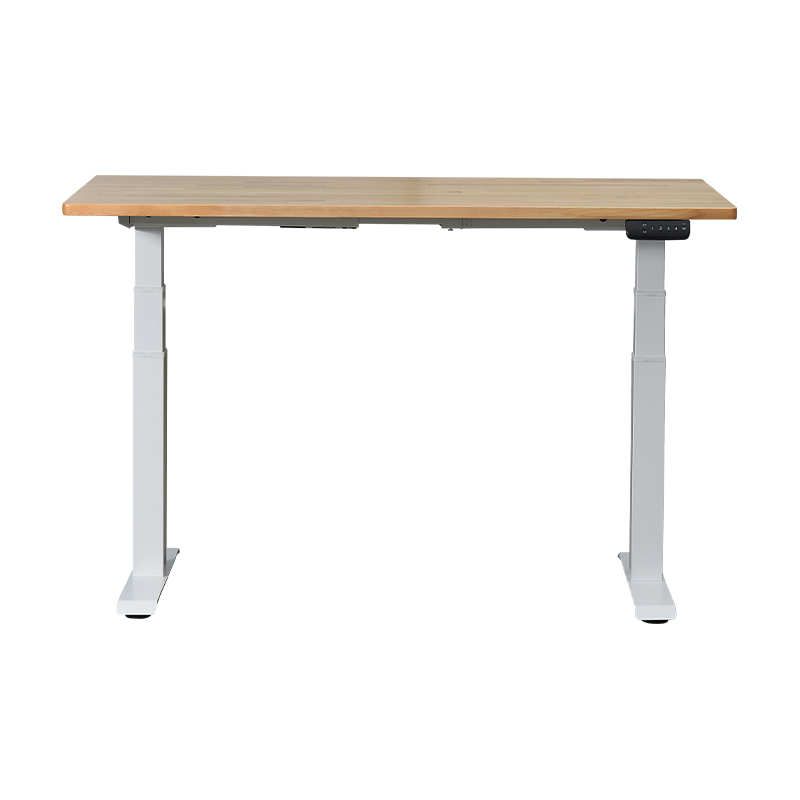
A height adjustable workstation changes this dynamic entirely. Rather than forcing your body to adapt to the desk, an electric sit stand desk frame lets the desk adapt to your body — at the push of a button. The difference in how you feel after an 8-hour workday is significant: less lower-back tension, fewer headaches, and noticeably better energy levels through the afternoon.
This guide walks through exactly how to use an electric lift table effectively, what to look for when selecting one for different space types, and which features actually matter for long-term ergonomic benefit.
What the Research Says: Measurable Benefits of Height-Adjustable Desks
The ergonomic case for sit-stand workstations is well-documented. A landmark study published in Preventive Medicine Reports tracked office workers using height-adjustable desks over 12 weeks and recorded the following outcomes compared to fixed-height desk users:
Reported Improvements After 12 Weeks of Sit-Stand Desk Use
These gains are not achieved through occasional use. The critical factor is making the transition effortless — which is precisely where electric height adjustment outperforms manual crank or pneumatic systems. When raising or lowering the desk takes under three seconds with a single button press, you are far more likely to actually change positions throughout the day rather than staying in one posture for hours.
Single Column Lift Table vs. Traditional Two-Leg Frame: Which Works Better for Your Space?
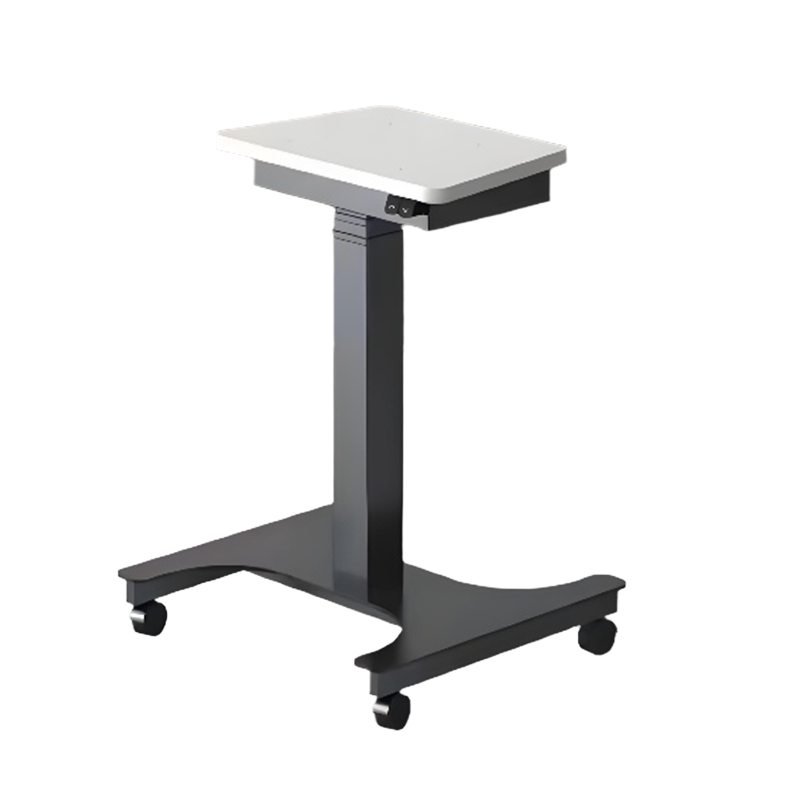
The structural design of an electric lift table directly affects how well it fits your workspace. A single column lift table uses a central support mechanism, which fundamentally changes the footprint and flexibility compared to the standard two- or four-leg desk frame.
| Feature | Single Column | Traditional Two-Leg Frame |
|---|---|---|
| Floor Footprint | Minimal — single base point | Wide — two leg positions required |
| Corner / Bay Window Use | Excellent | Difficult or impossible |
| Under-Desk Legroom | Maximum — no side obstructions | Limited by leg width spacing |
| Visual Aesthetic | Clean, minimalist, floating look | Traditional, structured appearance |
| Best For | Small apartments, studios, compact setups | Open-plan offices, wide workstations |
| Height Range (Typical) | 630 mm – 1280 mm | 600 mm – 1250 mm |
For anyone working in a compact home office, a studio apartment, or a room with architectural features like bay windows or alcoves, the single column lift table is the more practical and often the only viable solution. The central support structure opens up floor space on all sides, making it far easier to arrange storage, seating, and other furniture around the desk without the rigid spatial constraints of a multi-leg frame.
Finding Your Ideal Desk Height: The Numbers That Actually Matter
One of the most common mistakes people make with a height adjustable workstation is setting it to a single height and never adjusting it again — essentially turning an electric desk into an expensive fixed desk. The ergonomic benefit comes from regular transitions. Here is how to find the correct height positions for both sitting and standing:
Sitting Height
Elbows should rest at a 90-degree angle when your forearms lie flat on the desk. For most adults, this is between 68 cm and 76 cm. Feet should rest flat on the floor or a footrest.
Standing Height
When standing naturally (not slouching), the desk surface should meet your wrists when your arms hang relaxed at your sides. For most adults this is between 100 cm and 115 cm depending on height.
Memory Presets
Most quality electric sit stand desk frames include 3–4 programmable height presets. Set your sitting and standing heights once, and from then on a single button press transitions you between positions in under 5 seconds.
Recommended Sit-Stand Schedule
Research from the British Journal of Sports Medicine suggests the following as a practical starting point for desk workers transitioning to sit-stand routines:
- First two weeks: Stand for 20 minutes per hour, sit for 40 minutes. Allows your legs and core to adapt gradually.
- Weeks three to four: Increase to a 50/50 split — 30 minutes standing per hour, 30 sitting.
- Ongoing: Aim for at least 2–4 hours of standing spread across the workday. Use the memory presets on your electric lift table to make transitions habit-forming.
A compact electric standing desk with a height range of 630 mm to 1280 mm covers essentially the entire spectrum of adult sitting and standing heights — making it suitable for multi-user environments like shared home offices or studio settings where different people use the same workstation.
Making the Most of Small Spaces: Where a Compact Lift Table Fits Best
The rise of remote work and smaller urban living spaces has created a growing need for ergonomic furniture that does not demand a dedicated room or oversized floor plan. A small space standing desk — particularly one built on a single-column electric frame — opens up placement possibilities that conventional desks simply cannot accommodate.
Bay Window Alcoves
A single-leg base fits neatly into the center of a bay window recess — a space that is impossible to use productively with a standard two-leg desk. The view, natural light, and compact footprint make this one of the most sought-after home office setups in smaller apartments.
Room Corners
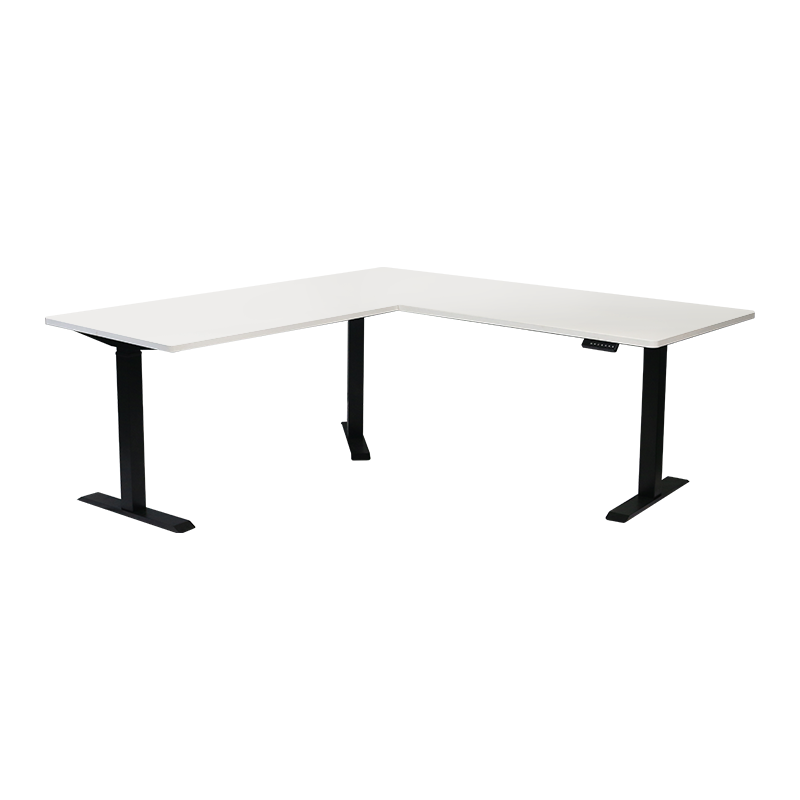
Corners are structurally strong wall junctions that are usually wasted as storage dumping grounds. Positioning a compact electric standing desk in a corner — with the single column mounted centrally — reclaims this area as a productive workspace while leaving the room flow undisturbed.
Bedroom End-of-Bed Area
The foot of the bed is often underutilized. A slim-profile height adjustable workstation positioned here creates a dedicated work zone that visually separates from the rest of the room — critical for maintaining work-life boundaries in studio apartments.
Beyond spatial fit, the aesthetic profile matters. A single column electric lift table with a clean, minimal design and powder-coated finish integrates naturally into modern interiors without visually dominating the room — an important consideration in living spaces that double as workspaces.
Features That Separate a Quality Electric Lift Table From a Basic One
Not all electric standing desk frames are built to the same standard. When evaluating models, these are the features that have the greatest impact on day-to-day usability, longevity, and comfort:
1. Motor Quality and Noise Level
A quality electric sit stand desk frame operates at under 45 dB during adjustment — roughly the level of a quiet library. Noisy motors (above 55 dB) are disruptive in home or shared office environments and are often a sign of lower-grade gear mechanisms. Look for brushless DC motors and steel-reinforced drive columns for smooth, quiet operation.
2. Height Range and Customization
The usable height range should span at least 600 mm to ensure the desk is comfortable for both seated and standing use across different body heights. A range of 630 mm to 1280 mm covers virtually all adult users. Some manufacturers offer customized height ranges for specific use cases — such as children's study desks or counter-height workstations.
3. Surface Finish and Hardware
Hidden screws and powder-coated steel surfaces are hallmarks of a thoughtfully engineered product. Powder coating is scratch-resistant and significantly easier to wipe clean than raw or painted surfaces — an important practical consideration for a desk that will see daily contact with hands, devices, and cleaning cloths.
4. Anti-Collision Safety System
A reliable electric lift table should include an automatic obstacle detection system that stops and reverses motor movement if an object is encountered during height adjustment. This is especially important in shared spaces or homes with children and pets. Without this feature, objects placed beneath a descending desk can be damaged or cause the motor to strain.
The Growing Shift Toward Height-Adjustable Workstations
Global adoption of electric lift tables and sit-stand desks has accelerated sharply since 2019, driven by the remote work transition and increasing awareness of ergonomic health risks. The following chart illustrates the relative growth trend in market demand for height-adjustable workstations across global markets.
Global Demand Growth: Height-Adjustable Workstations (2019–2024, Indexed)
The remote work shift of 2020 triggered an immediate spike in demand, but the sustained growth from 2021 onward indicates this is not a temporary trend — it reflects a fundamental change in how people approach workspace design. Compact electric standing desks and single column lift tables in particular have seen outsized growth as urbanization drives demand for space-efficient ergonomic solutions.
Setting Up Your Electric Lift Table for Maximum Comfort: A Practical Checklist
Getting the desk is only step one. Dialing in the full ergonomic setup around it determines whether the investment actually improves your health and productivity. Work through this checklist after your electric lift table is installed:
- Set and save your two key height presets — sitting and standing — in the desk's control panel. Do this before using the desk for any real work session.
- Position your monitor at eye level when standing. Most people need a monitor arm or riser to achieve this — the desk surface alone rarely puts a laptop screen or monitor at the correct height in standing mode.
- Add an anti-fatigue mat for standing periods. Even 30 minutes of standing on hard flooring without cushioning causes foot and knee fatigue that discourages continued standing use.
- Manage your cables before the desk reaches its final position. Cable management clips or a cable tray prevent tangling as the desk moves up and down — a detail that is minor at purchase time but significant in daily use.
- Set a transition reminder on your phone or computer for every 45–60 minutes until standing becomes a habit. Most people over-estimate how frequently they voluntarily change position without a prompt.
- Keep the area around the base clear. The single column design minimizes floor obstruction, but ensure no objects are placed directly beneath the desk that could interfere with downward travel, especially if your model lacks an anti-collision sensor.
About Fengyi Intelligent Furniture Technology Co., Ltd.
Fengyi Intelligent Furniture Technology Co., Ltd. is located in Ningbo, the economic center of the Yangtze River Delta. Established in 2021, the company has grown to over 30 employees and operates across a 5,000 square meter facility. As a professional China Single Leg Electric Standing Desk Manufacturer and Single Leg Electric Lift Table Factory, Fengyi specializes in the R&D, production, and export of steel and wooden structural furniture products.
Space-Saving Design
The single column central support structure dramatically reduces the floor footprint, enabling placement in bay windows, corners, bedroom ends, and other compact or irregular spaces where conventional desks cannot fit.
Precision Electric Lifting
Electrically controlled height adjustment across a 630 mm–1280 mm range (customizable) covers the full spectrum of adult sitting and standing heights, with smooth and near-silent motor operation suitable for home and professional environments.
Clean, Durable Finish
Hidden screws and hard plastic powder-spray coating give each table a refined, scratch-resistant finish that is easy to clean and maintain daily — maintaining its appearance through years of regular use.
Fengyi's overseas markets extend to the United States, Canada, Australia, the United Kingdom, South Korea, Japan, Taiwan, and other countries and regions. The company's product portfolio includes ergonomic lift desks, workbenches, ergonomic chairs, and ergonomic kids' study desks — making it a comprehensive source for professional and residential height-adjustable workstation solutions.